Buy tv-soundbar.eu ?
We are moving the project
tv-soundbar.eu .
Are you interested in purchasing the domain
tv-soundbar.eu ?
domain@kv-gmbh.de · 0541-91531010
Buy tv-soundbar.eu ?
What are the differences between covalent bonds, metallic bonds, and ionic bonds?
Covalent bonds are formed when two atoms share electrons, resulting in a strong bond between the atoms. Metallic bonds occur between metal atoms, where the electrons are delocalized and free to move throughout the structure, creating a strong bond. Ionic bonds are formed between a metal and a nonmetal, where one atom transfers electrons to the other, resulting in the formation of positively and negatively charged ions that are attracted to each other. Overall, covalent bonds involve electron sharing, metallic bonds involve electron delocalization, and ionic bonds involve electron transfer. **
Do CO bonds form with other CO bonds?
No, CO bonds do not typically form with other CO bonds. Carbon monoxide (CO) is a stable molecule with a triple bond between the carbon and oxygen atoms. This triple bond is strong and does not readily form additional bonds with other CO molecules. Instead, CO molecules tend to interact with other types of molecules through various types of chemical reactions. **
Similar search terms for Bonds
Top-Angebote
Products related to Bonds:
-
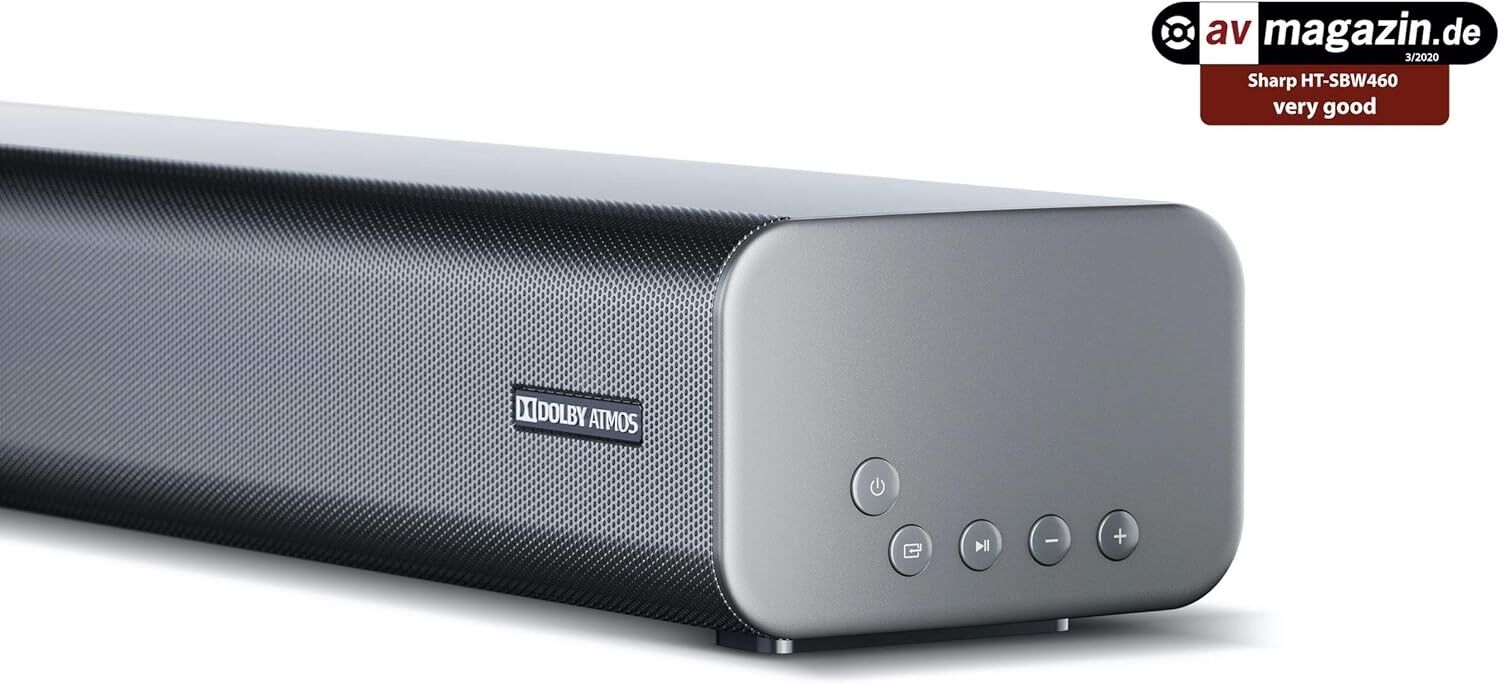
Sharp HT-SBW460 3.1 Dolby Atmos Soundbar with Wireless Subwoofer - BlackUpgrade your TV sound with the Sharp HT-SBW460, a 3.1-channel 440W soundbar with a wireless subwoofer and Dolby Atmos for immersive virtual 3D surround. HDMI ARC, optical, Bluetooth and USB inputs, EQ presets and a wall-mountable design make it an easy fit for any TV from 42in upwards.244,99 £*Shipping: 0,00 £Secure redirect to the provider
-
milk_shake Everlasting Bonds Leave In Treatment 100mLA hair-care product. It a lightweight leave-in treatment designed to enhance your hair's softness, shine, and manageability without adding weight. This innovative formula provides heat protection up to 230°C, making it ideal for styling while addressing hair damage and promoting a healthier appearance.31,61 £*Shipping: 5,28 £Secure redirect to the provider
-
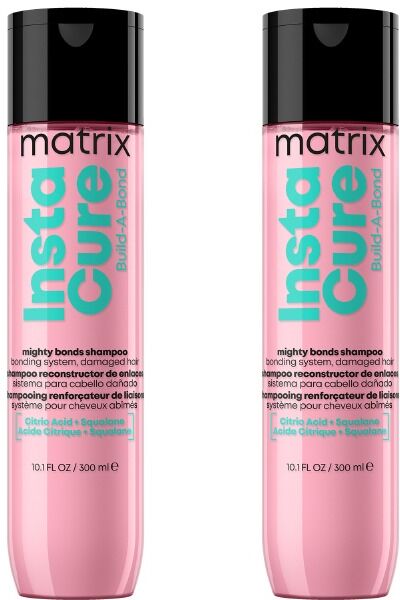
Matrix Instacure Build-A-Bond Mighty Bonds Shampoo 300ml DoubleStock up and save on professional results at home with this double Matrix Instacure Build-A-Bond Mighty Bonds Shampoo! (Includes 2 x 300ml Shampoo) Healthy hair starts from within, and this Matrix Instacure Build-A-Bond Mighty Bonds Shampoo gets straight to work This luxuriously textured shampoo forms a rich lather and gets to work immediately on mega damaged hair. Key ingredients include Citric acid, which penetrates deep into the hair fiber to strengthen and repair your hair from within. It's also infused with Squalane, which works on the hair's surface to soften and smooth every strand! Ingredients: AQUA / WATER / EAU, DECYL GLUCOSIDE, SODIUM COCOYL ISETHIONATE, COCAMIDOPROPYL BETAINE, CITRIC ACID, SODIUM HYDROXIDE, PANTHENOL, PARFUM / FRAGRANCE, GLYCERIN, DIMETHICONE, PEG-150 DISTEARATE, PPG-5-CETETH-20, SODIUM BENZOATE, SODIUM CHLORIDE, PEG-55 PROPYLENE GLYCOL OLEATE, PROPYLENE GLYCOL, CARBOMER, LIMONENE, COCO-CAPRYLATE/CAPRATE, POLYQUATERNIUM-67, SALICYLIC ACID, AMODIMETHICONE, SODIUM PHYTATE, GLYCOL DISTEARATE, SQUALANE, COCO-BETAINE, LINALOOL, ACRYLATES/BEHENETH-25 METHACRYLATE COPOLYMER, CITRONELLOL, TRIDECETH-6, BENZYL ALCOHOL, ALCOHOL, CETRIMONIUM CHLORIDE, CI 17200 / RED 3324,16 £*Shipping: 0,00 £Secure redirect to the provider
-
Matrix Instacure Build-A-Bond Mighty Bonds Shampoo 300ml & Instacure BStock up and save with this Matrix Instacure Build-A-Bond Mighty Bonds Shampoo 300ml & Instacure Build-A-Bond Mighty Care Conditioner 300ml Duo! Healthy hair starts from within, and this Matrix Instacure Build-A-Bond Mighty Bonds Shampoo and Conditioner gets straight to work to repair your hair. The luxuriously textured shampoo forms a rich lather and gets to work immediately on mega damaged hair and the luxuriously creamy conditioner gets straight to work with key ingredient Squalane, which works on the hairs surface to soften and smooth each strand for a silky finish! Both are infused with citric acid, this conditioner penetrates deep into the hair fiber to strengthen and reinforce damaged hair strands from within. Ingredients: Shampoo: aqua / water / eau, decyl glucoside, sodium cocoyl isethionate, cocamidopropyl betaine, citric acid, sodium hydroxide, panthenol, parfum / fragrance, glycerin, dimethicone, peg-150 distearate, ppg-5-ceteth-20, sodium benzoate, sodium chloride, peg-55 propylene glycol oleate, propylene glycol, carbomer, limonene, coco-caprylate/caprate, polyquaternium-67, salicylic acid, amodimethicone, sodium phytate, glycol distearate, squalane, coco-betaine, linalool, acrylates/beheneth-25 methacrylate copolymer, citronellol, trideceth-6, benzyl alcohol, alcohol, cetrimonium chloride, ci 17200 / red 33 Conditioner: aqua / water / eau, cetearyl alcohol, propylene glycol, behentrimonium chloride, glycerin, cetyl esters, dimethicone, peg/ppg-4/12 dimethicone, amodimethicone, parfum / fragrance, isopropyl alcohol, dicetyldimonium chloride, citric acid, phenoxyethanol, limonene, isopropyl myristate, hydroxypropyl guar, squalane, linalool, trideceth-10, coco-betaine, citronellol, cetrimonium chloride, peg-100 stearate, steareth-6, sodium chloride, benzyl alcohol, trideceth-3, acetic acid, trisodium hedta, pentaerythrityl tetra-di-t-butyl hydroxyhydrocinnamate, ci 17200 / red 3324,16 £*Shipping: 0,00 £Secure redirect to the provider


-
Which is better, a soundbar with surround sound or an adaptive soundbar?
It ultimately depends on your specific needs and preferences. A soundbar with surround sound typically offers a more immersive audio experience, with separate speakers to create a more realistic surround sound effect. On the other hand, an adaptive soundbar is designed to analyze the acoustics of your room and adjust the sound output accordingly, providing a more customized listening experience. If you prioritize a more immersive surround sound experience, a soundbar with surround sound may be better for you. However, if you value a more personalized and adaptable audio experience, an adaptive soundbar may be the better choice. **
-
Why are intermolecular bonds weaker than electron pair bonds?
Intermolecular bonds are weaker than electron pair bonds because they involve interactions between molecules rather than within a single molecule. In intermolecular bonds, the attractive forces between molecules are generally weaker than the covalent bonds that hold atoms together within a molecule. Additionally, intermolecular bonds are typically temporary and can be easily broken, whereas electron pair bonds are strong and stable. Overall, the weaker nature of intermolecular bonds allows molecules to move and interact with each other more freely. **
-
Why are intermolecular bonds generally weaker than covalent bonds?
Intermolecular bonds are generally weaker than covalent bonds because they involve interactions between molecules rather than within a single molecule. Covalent bonds involve the sharing of electrons between atoms, creating strong bonds within a molecule. In contrast, intermolecular bonds, such as hydrogen bonds or van der Waals forces, are weaker because they are based on temporary interactions between molecules, which can be easily broken. Additionally, intermolecular bonds are influenced by factors such as distance and orientation, further contributing to their weaker nature compared to covalent bonds. **
-
Why are intermolecular bonds typically weaker than covalent bonds?
Intermolecular bonds are typically weaker than covalent bonds because they involve interactions between molecules rather than within a single molecule. In intermolecular bonds, the attractive forces between molecules, such as van der Waals forces or hydrogen bonding, are weaker than the strong sharing of electrons in covalent bonds. Additionally, intermolecular bonds are more easily broken or disrupted by changes in temperature or pressure, leading to lower bond energies compared to covalent bonds. **

Why are intermolecular bonds generally weaker than electron pair bonds?
Intermolecular bonds are generally weaker than electron pair bonds because they involve interactions between molecules, which are larger and less localized than the interactions between atoms in a covalent bond. In intermolecular bonds, the attractive forces are typically weaker due to the larger distance between molecules and the lack of direct sharing of electrons. In contrast, electron pair bonds involve the sharing of electrons between atoms, leading to stronger and more localized bonding interactions. **
Why are intermolecular bonds typically weaker than electron pair bonds?
Intermolecular bonds are typically weaker than electron pair bonds because they involve interactions between molecules rather than within a single molecule. In intermolecular bonds, the attractive forces between molecules are generally weaker than the covalent bonds that hold atoms together within a molecule. Additionally, intermolecular bonds are usually based on weaker forces such as van der Waals forces, hydrogen bonding, or dipole-dipole interactions, which are not as strong as the sharing or transfer of electrons in covalent or ionic bonds. **
Top-Angebote
Products related to Bonds:
-
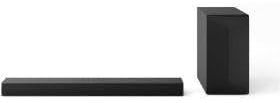
LG US60T 3.1Ch Bluetooth Soundbar with Wireless SubwooferThe LG US60T 3.1Ch Soundbar with wireless subwoofer delivers powerful, immersive sound with Bluetooth connectivity , perfect for upgrading your TV audio for movies, music, and gaming. Overview: Enhance your home entertainment with the LG US60T Soundbar , featuring a 3.1 channel system for rich, balanced audio. The included wireless subwoofer provides deep, punchy bass, while Bluetooth connectivity makes it easy to stream music and connect to your TV or other devices without messy cables. Sleek and modern in design, the US60T complements any living room setup and delivers cinema-like sound in the comfort of your home. Key Features: 3.1 Channel Sound System – Clear dialogue, powerful bass, and immersive audio. Wireless Subwoofer – Adds depth with rich, room-filling low frequencies. Bluetooth Connectivity – Stream music or connect wirelessly to compatible TVs and devices. Powerful, Balanced Sound – Perfect for movies, music, and gaming. Sleek Design – Slim and modern to fit seamlessly in your home. Easy Setup – Hassle-free installation with wireless connections. TV & Device Compatibility – Works with most Bluetooth-enabled TVs and media players. Product Description: The LG US60T 3.1 Channel Bluetooth Soundbar with Wireless Subwoofer is the ideal upgrade for your home entertainment system. Designed to bring cinema-quality sound to your living room, it features 3.1 channels for clear dialogue and rich, detailed audio. The wireless subwoofer delivers deep, impactful bass, making movies and music more immersive. With Bluetooth connectivity , you can easily stream music from your smartphone, tablet, or connect directly to your TV without extra cables. Stylish, powerful, and easy to set up, the LG US60T delivers impressive sound that transforms your everyday viewing and listening experience.299,98 £*Shipping: 0,00 £Secure redirect to the provider
-
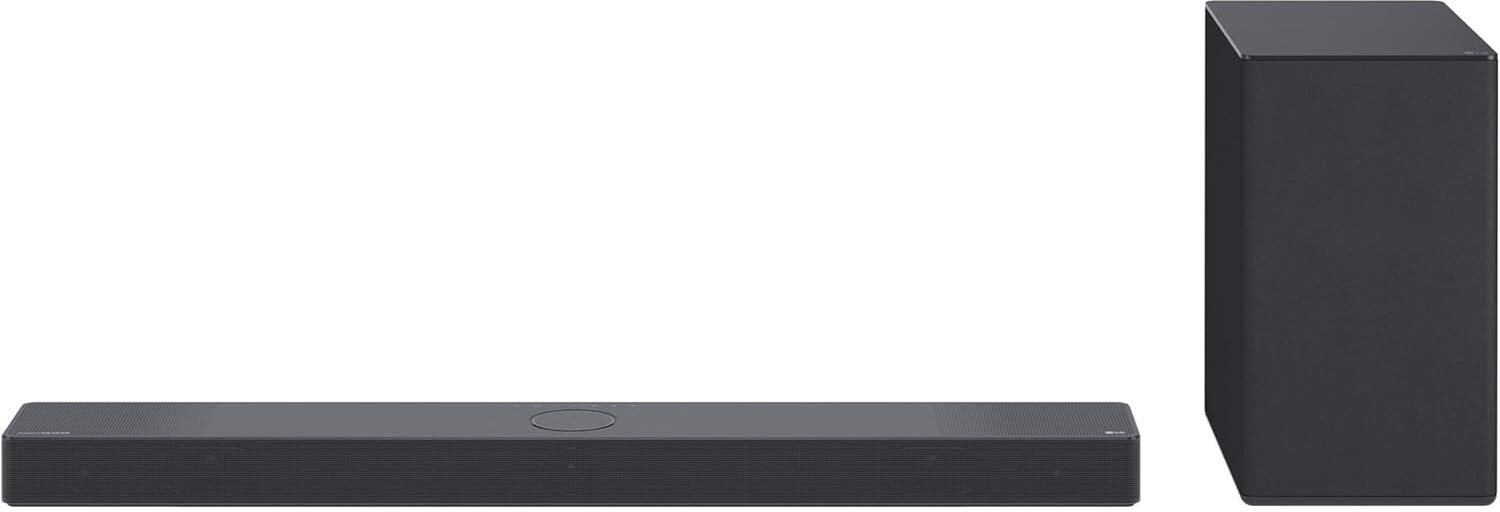
LG USC9S 3.1 Channel Bluetooth Soundbar – Dolby Atmos, Wireless Subwoofer, TV Audio System, New (Unsealed)Overview: The LG USC9S is a premium 3.1.3 channel soundbar designed to deliver immersive audio experiences. Featuring Dolby Atmos and DTS:X support, it creates a dynamic soundstage that brings movies, music, and games to life. The included wireless subwoofer adds deep bass, enhancing the overall audio performance. Key Features: 3.1.3 channel configuration delivers clear dialogue and immersive surround sound Dolby Atmos & DTS:X for cinematic audio with overhead sound effects Wireless subwoofer for rich, deep bass without extra wiring Bluetooth connectivity for wireless music streaming IMAX Enhanced Audio for high-resolution sound quality AI Room Calibration automatically adjusts sound settings to your room’s acoustics Sleek wall-mountable design complements your TV setup Product Description: The LG USC9S soundbar provides exceptional audio quality with its advanced 3.1.3 channel setup and support for Dolby Atmos and DTS:X. The wireless subwoofer enhances bass depth for a fuller sound experience. Stream your favourite music easily via Bluetooth, and enjoy high-resolution audio with IMAX Enhanced technology. AI Room Calibration optimizes sound based on your room environment. Its modern, wall-mountable design fits seamlessly into any home entertainment setup.699,00 £*Shipping: 0,00 £Secure redirect to the provider
-
Sharp HT-SBW460 3.1 Dolby Atmos Soundbar with Wireless Subwoofer - BlackUpgrade your TV sound with the Sharp HT-SBW460, a 3.1-channel 440W soundbar with a wireless subwoofer and Dolby Atmos for immersive virtual 3D surround. HDMI ARC, optical, Bluetooth and USB inputs, EQ presets and a wall-mountable design make it an easy fit for any TV from 42in upwards.244,99 £*Shipping: 0,00 £Secure redirect to the provider
-
milk_shake Everlasting Bonds Leave In Treatment 100mLA hair-care product. It a lightweight leave-in treatment designed to enhance your hair's softness, shine, and manageability without adding weight. This innovative formula provides heat protection up to 230°C, making it ideal for styling while addressing hair damage and promoting a healthier appearance.31,61 £*Shipping: 5,28 £Secure redirect to the provider
-
What are the differences between covalent bonds, metallic bonds, and ionic bonds?
Covalent bonds are formed when two atoms share electrons, resulting in a strong bond between the atoms. Metallic bonds occur between metal atoms, where the electrons are delocalized and free to move throughout the structure, creating a strong bond. Ionic bonds are formed between a metal and a nonmetal, where one atom transfers electrons to the other, resulting in the formation of positively and negatively charged ions that are attracted to each other. Overall, covalent bonds involve electron sharing, metallic bonds involve electron delocalization, and ionic bonds involve electron transfer. **
-
Do CO bonds form with other CO bonds?
No, CO bonds do not typically form with other CO bonds. Carbon monoxide (CO) is a stable molecule with a triple bond between the carbon and oxygen atoms. This triple bond is strong and does not readily form additional bonds with other CO molecules. Instead, CO molecules tend to interact with other types of molecules through various types of chemical reactions. **
-
Which is better, a soundbar with surround sound or an adaptive soundbar?
It ultimately depends on your specific needs and preferences. A soundbar with surround sound typically offers a more immersive audio experience, with separate speakers to create a more realistic surround sound effect. On the other hand, an adaptive soundbar is designed to analyze the acoustics of your room and adjust the sound output accordingly, providing a more customized listening experience. If you prioritize a more immersive surround sound experience, a soundbar with surround sound may be better for you. However, if you value a more personalized and adaptable audio experience, an adaptive soundbar may be the better choice. **
-
Why are intermolecular bonds weaker than electron pair bonds?
Intermolecular bonds are weaker than electron pair bonds because they involve interactions between molecules rather than within a single molecule. In intermolecular bonds, the attractive forces between molecules are generally weaker than the covalent bonds that hold atoms together within a molecule. Additionally, intermolecular bonds are typically temporary and can be easily broken, whereas electron pair bonds are strong and stable. Overall, the weaker nature of intermolecular bonds allows molecules to move and interact with each other more freely. **
Similar search terms for Bonds
-
Matrix Instacure Build-A-Bond Mighty Bonds Shampoo 300ml DoubleStock up and save on professional results at home with this double Matrix Instacure Build-A-Bond Mighty Bonds Shampoo! (Includes 2 x 300ml Shampoo) Healthy hair starts from within, and this Matrix Instacure Build-A-Bond Mighty Bonds Shampoo gets straight to work This luxuriously textured shampoo forms a rich lather and gets to work immediately on mega damaged hair. Key ingredients include Citric acid, which penetrates deep into the hair fiber to strengthen and repair your hair from within. It's also infused with Squalane, which works on the hair's surface to soften and smooth every strand! Ingredients: AQUA / WATER / EAU, DECYL GLUCOSIDE, SODIUM COCOYL ISETHIONATE, COCAMIDOPROPYL BETAINE, CITRIC ACID, SODIUM HYDROXIDE, PANTHENOL, PARFUM / FRAGRANCE, GLYCERIN, DIMETHICONE, PEG-150 DISTEARATE, PPG-5-CETETH-20, SODIUM BENZOATE, SODIUM CHLORIDE, PEG-55 PROPYLENE GLYCOL OLEATE, PROPYLENE GLYCOL, CARBOMER, LIMONENE, COCO-CAPRYLATE/CAPRATE, POLYQUATERNIUM-67, SALICYLIC ACID, AMODIMETHICONE, SODIUM PHYTATE, GLYCOL DISTEARATE, SQUALANE, COCO-BETAINE, LINALOOL, ACRYLATES/BEHENETH-25 METHACRYLATE COPOLYMER, CITRONELLOL, TRIDECETH-6, BENZYL ALCOHOL, ALCOHOL, CETRIMONIUM CHLORIDE, CI 17200 / RED 3324,16 £*Shipping: 0,00 £Secure redirect to the provider
-
Matrix Instacure Build-A-Bond Mighty Bonds Shampoo 300ml & Instacure BStock up and save with this Matrix Instacure Build-A-Bond Mighty Bonds Shampoo 300ml & Instacure Build-A-Bond Mighty Care Conditioner 300ml Duo! Healthy hair starts from within, and this Matrix Instacure Build-A-Bond Mighty Bonds Shampoo and Conditioner gets straight to work to repair your hair. The luxuriously textured shampoo forms a rich lather and gets to work immediately on mega damaged hair and the luxuriously creamy conditioner gets straight to work with key ingredient Squalane, which works on the hairs surface to soften and smooth each strand for a silky finish! Both are infused with citric acid, this conditioner penetrates deep into the hair fiber to strengthen and reinforce damaged hair strands from within. Ingredients: Shampoo: aqua / water / eau, decyl glucoside, sodium cocoyl isethionate, cocamidopropyl betaine, citric acid, sodium hydroxide, panthenol, parfum / fragrance, glycerin, dimethicone, peg-150 distearate, ppg-5-ceteth-20, sodium benzoate, sodium chloride, peg-55 propylene glycol oleate, propylene glycol, carbomer, limonene, coco-caprylate/caprate, polyquaternium-67, salicylic acid, amodimethicone, sodium phytate, glycol distearate, squalane, coco-betaine, linalool, acrylates/beheneth-25 methacrylate copolymer, citronellol, trideceth-6, benzyl alcohol, alcohol, cetrimonium chloride, ci 17200 / red 33 Conditioner: aqua / water / eau, cetearyl alcohol, propylene glycol, behentrimonium chloride, glycerin, cetyl esters, dimethicone, peg/ppg-4/12 dimethicone, amodimethicone, parfum / fragrance, isopropyl alcohol, dicetyldimonium chloride, citric acid, phenoxyethanol, limonene, isopropyl myristate, hydroxypropyl guar, squalane, linalool, trideceth-10, coco-betaine, citronellol, cetrimonium chloride, peg-100 stearate, steareth-6, sodium chloride, benzyl alcohol, trideceth-3, acetic acid, trisodium hedta, pentaerythrityl tetra-di-t-butyl hydroxyhydrocinnamate, ci 17200 / red 3324,16 £*Shipping: 0,00 £Secure redirect to the provider
-
soundcore 3 Bluetooth Speaker with Stereo SoundBulk Headphones, Earbuds, and Speakers for Business >>>>> Upgraded Driver Technology: soundcore 3 Bluetooth speaker has dual drivers with 100% pure titanium diaphragms that extend treble up to 40kHz and minimize distortion. Enhanced Bass: Dual...44,99 $*Shipping: 0,00 $Secure redirect to the provider
-
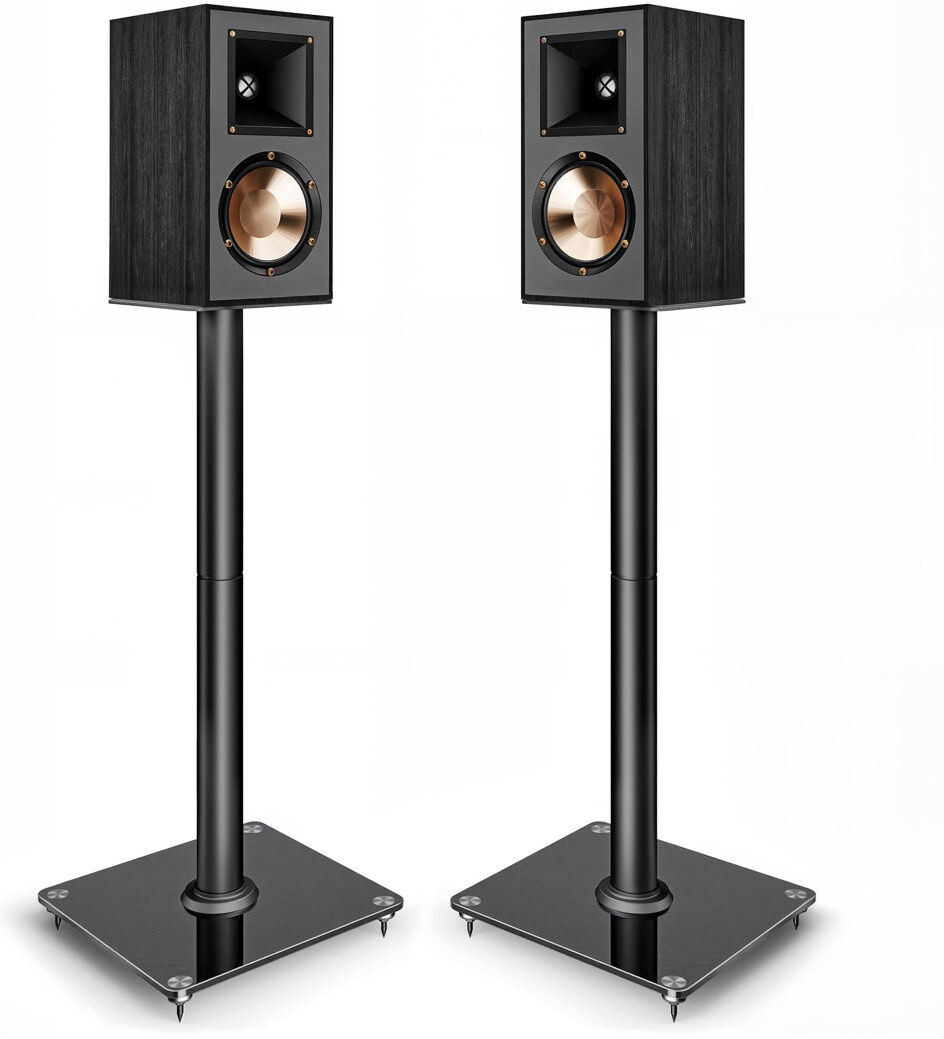
Ebern Designs Speaker Stands For Surround Sound,1 Pair Matte Black55 LBS Capacity & Large Glass Base - Designed for stability and style, each bookshelf speaker stands supports up to 55 lbs with an elegant 11.8” x 11.8” tempered glass base and sturdy metal pole support. Compatible with Klipsch, Sony, Edifier, Yamaha, Polk and most bookshelf speakers. Ideal for enhancing your listening space, this speaker stands pair offer a secure and sleek solution for premium sound setups. Ebern Designs136,99 £*Shipping: 0,00 £Secure redirect to the provider
-
Why are intermolecular bonds generally weaker than covalent bonds?
Intermolecular bonds are generally weaker than covalent bonds because they involve interactions between molecules rather than within a single molecule. Covalent bonds involve the sharing of electrons between atoms, creating strong bonds within a molecule. In contrast, intermolecular bonds, such as hydrogen bonds or van der Waals forces, are weaker because they are based on temporary interactions between molecules, which can be easily broken. Additionally, intermolecular bonds are influenced by factors such as distance and orientation, further contributing to their weaker nature compared to covalent bonds. **
-
Why are intermolecular bonds typically weaker than covalent bonds?
Intermolecular bonds are typically weaker than covalent bonds because they involve interactions between molecules rather than within a single molecule. In intermolecular bonds, the attractive forces between molecules, such as van der Waals forces or hydrogen bonding, are weaker than the strong sharing of electrons in covalent bonds. Additionally, intermolecular bonds are more easily broken or disrupted by changes in temperature or pressure, leading to lower bond energies compared to covalent bonds. **
-
Why are intermolecular bonds generally weaker than electron pair bonds?
Intermolecular bonds are generally weaker than electron pair bonds because they involve interactions between molecules, which are larger and less localized than the interactions between atoms in a covalent bond. In intermolecular bonds, the attractive forces are typically weaker due to the larger distance between molecules and the lack of direct sharing of electrons. In contrast, electron pair bonds involve the sharing of electrons between atoms, leading to stronger and more localized bonding interactions. **
-
Why are intermolecular bonds typically weaker than electron pair bonds?
Intermolecular bonds are typically weaker than electron pair bonds because they involve interactions between molecules rather than within a single molecule. In intermolecular bonds, the attractive forces between molecules are generally weaker than the covalent bonds that hold atoms together within a molecule. Additionally, intermolecular bonds are usually based on weaker forces such as van der Waals forces, hydrogen bonding, or dipole-dipole interactions, which are not as strong as the sharing or transfer of electrons in covalent or ionic bonds. **
* All prices are inclusive of VAT and, if applicable, plus shipping costs. The offer information is based on the details provided by the respective shop and is updated through automated processes. Real-time updates do not occur, so deviations can occur in individual cases. ** Note: Parts of this content were created by AI.