Buy tv-soundbar.eu ?
We are moving the project
tv-soundbar.eu .
Are you interested in purchasing the domain
tv-soundbar.eu ?
domain@kv-gmbh.de · 0541-91531010
Buy tv-soundbar.eu ?
What are mitochondria?
Mitochondria are membrane-bound organelles found in the cells of most eukaryotic organisms. They are often referred to as the powerhouse of the cell because they are responsible for producing the majority of the cell's energy in the form of adenosine triphosphate (ATP) through a process called cellular respiration. Mitochondria have their own DNA and are believed to have originated from ancient bacteria that were engulfed by a primitive eukaryotic cell through a process called endosymbiosis. They play a crucial role in various cellular functions, including metabolism, signaling, and cell death. **
How did mitochondria originate?
Mitochondria are believed to have originated from a symbiotic relationship between an ancestral eukaryotic cell and an ancient prokaryotic organism, specifically an alpha-proteobacteria. This symbiotic relationship is thought to have occurred around 1.5 billion years ago, with the prokaryotic organism being engulfed by the eukaryotic cell but not digested. Over time, this prokaryotic organism evolved into the mitochondria we see in eukaryotic cells today. This theory is supported by the fact that mitochondria have their own DNA, similar to that of bacteria, and replicate independently of the host cell. **
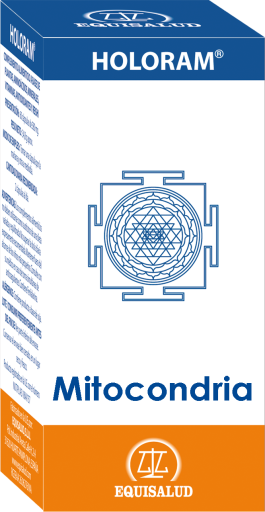

Similar search terms for Equisalud-Holoram-Mitochondria-60
Top-Angebote
Products related to Equisalud-Holoram-Mitochondria-60:
-
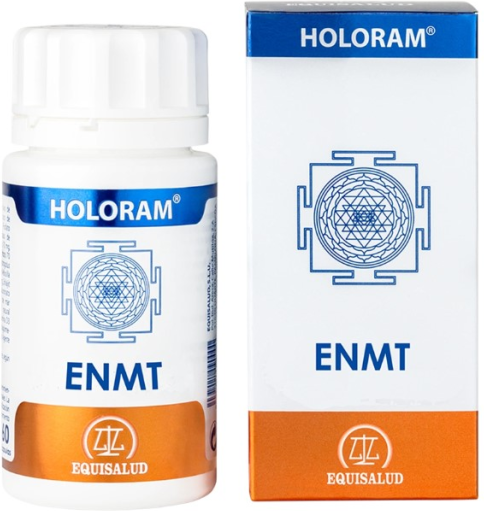
Equisalud Holoram Enmt 60 CapsulesNutrition and Supplements Special supplements Equisalud Holoram Enmt 60 Capsules Food supplement for the nervous system and Neuro-Muscle-Tendinous balance, thanks to its contribution of bacopa, schisandra, bamboo, amino acids or magnesium among other nutrients. Magnesium contributes to maintaining the nervous system and muscles in normal conditions. Instructions for use: Take 2 capsules a day, one before breakfast and one before dinner.24,43 £*Shipping: 3,99 £Secure redirect to the provider
-
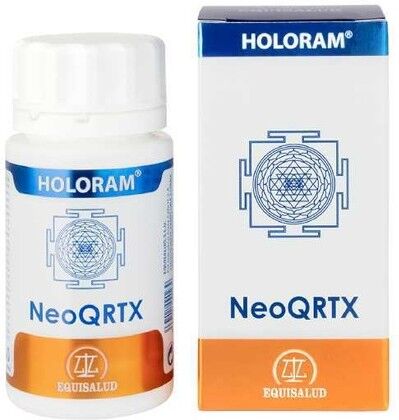
Equisalud Holoram Neoqrtx 60 CapsulesNutrition and Supplements Natural Extracts Equisalud Holoram Neoqrtx 60 Capsules Equisalud's Holoram Cardivas is a nutritional supplement that acts as a bioregulator of the cardiac system, preserving its health. Recommendations: Take 2 capsules daily, one capsule in the morning and one at noon, or as directed by a healthcare professional.18,29 £*Shipping: 3,99 £Secure redirect to the provider
-
Equisalud Holoram Prebiotic 60 CapsulesNutrition and Supplements Prebiotics and probiotics Equisalud Holoram Prebiotic 60 Capsules Complete formula based on probiotics and phytonutrients for the development of intestinal health. It helps eliminate pathogens and reestablish the balance of intestinal permeability. Instructions for Use: Take 1 capsule before each main meal (breakfast, lunch, and dinner), or as directed by a healthcare professional. Recommended daily intake - 3 capsules per day33,32 £*Shipping: 3,99 £Secure redirect to the provider
-
Equisalud Holoram rinusin 60 UnitsNutrition and Supplements Special supplements Equisalud Holoram rinusin 60 Units Polysaccharide vegetarian capsule (pullulan). It doesn't contain gluten, starch, transgenic or colorant. Suitable for vegetarians, diabetics and patients with restrictive diets. Mode of use: It is recommended to take 2 capsules a day according to a specialist's advice.26,80 £*Shipping: 3,99 £Secure redirect to the provider

-
Why are mitochondria important?
Mitochondria are important because they are the powerhouse of the cell, producing the majority of the cell's energy in the form of ATP through the process of cellular respiration. This energy is essential for various cellular functions, including growth, repair, and division. Additionally, mitochondria play a crucial role in regulating cell metabolism, signaling, and cell death. Dysfunction of mitochondria has been linked to various diseases, highlighting their importance in overall cellular health and function. **
-
How are mitochondria formed?
Mitochondria are formed through a process called mitochondrial biogenesis, which involves the growth and division of existing mitochondria. Mitochondria have their own DNA and can replicate independently of the cell's nucleus. When a cell needs more energy, it signals for the production of new mitochondria through a complex interplay of signaling pathways and regulatory proteins. This process ensures that the cell has an adequate supply of mitochondria to meet its energy demands. **
-
Do all cells have mitochondria?
No, not all cells have mitochondria. Mitochondria are organelles found in eukaryotic cells, which are cells that have a true nucleus and membrane-bound organelles. Prokaryotic cells, such as bacteria, do not have mitochondria. Additionally, some eukaryotic cells, like red blood cells, lose their mitochondria as they mature. **
-
Do animal cells have mitochondria?
Yes, animal cells do have mitochondria. Mitochondria are known as the powerhouse of the cell because they are responsible for producing energy in the form of ATP through a process called cellular respiration. This organelle is found in most eukaryotic cells, including animal cells, and plays a crucial role in metabolism and energy production. **
What are mitochondria and chloroplasts?
Mitochondria are membrane-bound organelles found in the cells of eukaryotic organisms, responsible for producing energy in the form of ATP through cellular respiration. They have their own DNA and are thought to have originated from ancient bacteria through endosymbiosis. Chloroplasts are also membrane-bound organelles found in plant cells and some protists, responsible for photosynthesis, the process by which they convert sunlight into energy-rich molecules like glucose. Like mitochondria, chloroplasts also have their own DNA and are believed to have originated from ancient photosynthetic bacteria through endosymbiosis. **
What are mitochondria and myoglobin?
Mitochondria are membrane-bound organelles found in the cytoplasm of eukaryotic cells. They are often referred to as the powerhouse of the cell because they are responsible for producing the majority of the cell's energy in the form of adenosine triphosphate (ATP) through the process of cellular respiration. Myoglobin, on the other hand, is a protein found in muscle cells that is responsible for binding and storing oxygen. It plays a crucial role in providing oxygen to the muscles during periods of high activity or low oxygen availability, such as during exercise. Myoglobin gives muscles their red color and helps facilitate the efficient use of oxygen by the muscle cells. **
Top-Angebote
Products related to Equisalud-Holoram-Mitochondria-60:
-
Equisalud Holoram Mitochondria 60 CapsulesNutrition and Supplements Special supplements Equisalud Holoram Mitochondria 60 Capsules Capsules. Polysaccharide of vegetable origin (pululane). It does not contain gluten, starch, transgenic or colouring agents. Suitable for vegetarians, diabetics and patients with restrictive diets. Instructions for use: -Take 1 to 2 capsules a day, or as directed by a specialist. Recommended daily amount: 1 to 2 capsules. Warnings: herbal food supplement, L-serine and magnesium. Food supplements should not be used as a substitute for a varied and balanced diet. Do not exceed the expressly recommended daily dose. Keep out of reach of young children. Inform your doctor and/or pharmacist if you are taking medication at the same time. Contains green tea. Storage: keep the container tightly closed in a cool, dry place. Contents: 60 capsules of 500 mg.53,91 £*Shipping: 3,99 £Secure redirect to the provider
-
Equisalud Holoram Mitochondria 180 CapsulesNutrition and Supplements Special supplements Equisalud Holoram Mitochondria 180 Capsules Capsules. Polysaccharide of vegetable origin (pululane). It does not contain gluten, starch, transgenic or colouring agents. Suitable for vegetarians, diabetics and patients with restrictive diets. Instructions for use: -Take 1 to 2 capsules a day, or as directed by a specialist. Recommended daily amount: 1 to 2 capsules. Warnings: herbal food supplement, L-serine and magnesium. Food supplements should not be used as a substitute for a varied and balanced diet. Do not exceed the expressly recommended daily dose. Keep out of reach of young children. Inform your doctor and/or pharmacist if you are taking medication at the same time. Contains green tea. Storage: keep the container tightly closed in a cool, dry place. Contents: 180 capsules of 500 mg.127,83 £*Shipping: 3,99 £Secure redirect to the provider
-
Equisalud Holoram Enmt 60 CapsulesNutrition and Supplements Special supplements Equisalud Holoram Enmt 60 Capsules Food supplement for the nervous system and Neuro-Muscle-Tendinous balance, thanks to its contribution of bacopa, schisandra, bamboo, amino acids or magnesium among other nutrients. Magnesium contributes to maintaining the nervous system and muscles in normal conditions. Instructions for use: Take 2 capsules a day, one before breakfast and one before dinner.24,43 £*Shipping: 3,99 £Secure redirect to the provider
-
Equisalud Holoram Neoqrtx 60 CapsulesNutrition and Supplements Natural Extracts Equisalud Holoram Neoqrtx 60 Capsules Equisalud's Holoram Cardivas is a nutritional supplement that acts as a bioregulator of the cardiac system, preserving its health. Recommendations: Take 2 capsules daily, one capsule in the morning and one at noon, or as directed by a healthcare professional.18,29 £*Shipping: 3,99 £Secure redirect to the provider
-
What are mitochondria?
Mitochondria are membrane-bound organelles found in the cells of most eukaryotic organisms. They are often referred to as the powerhouse of the cell because they are responsible for producing the majority of the cell's energy in the form of adenosine triphosphate (ATP) through a process called cellular respiration. Mitochondria have their own DNA and are believed to have originated from ancient bacteria that were engulfed by a primitive eukaryotic cell through a process called endosymbiosis. They play a crucial role in various cellular functions, including metabolism, signaling, and cell death. **
-
How did mitochondria originate?
Mitochondria are believed to have originated from a symbiotic relationship between an ancestral eukaryotic cell and an ancient prokaryotic organism, specifically an alpha-proteobacteria. This symbiotic relationship is thought to have occurred around 1.5 billion years ago, with the prokaryotic organism being engulfed by the eukaryotic cell but not digested. Over time, this prokaryotic organism evolved into the mitochondria we see in eukaryotic cells today. This theory is supported by the fact that mitochondria have their own DNA, similar to that of bacteria, and replicate independently of the host cell. **
-
Why are mitochondria important?
Mitochondria are important because they are the powerhouse of the cell, producing the majority of the cell's energy in the form of ATP through the process of cellular respiration. This energy is essential for various cellular functions, including growth, repair, and division. Additionally, mitochondria play a crucial role in regulating cell metabolism, signaling, and cell death. Dysfunction of mitochondria has been linked to various diseases, highlighting their importance in overall cellular health and function. **
-
How are mitochondria formed?
Mitochondria are formed through a process called mitochondrial biogenesis, which involves the growth and division of existing mitochondria. Mitochondria have their own DNA and can replicate independently of the cell's nucleus. When a cell needs more energy, it signals for the production of new mitochondria through a complex interplay of signaling pathways and regulatory proteins. This process ensures that the cell has an adequate supply of mitochondria to meet its energy demands. **
Similar search terms for Equisalud-Holoram-Mitochondria-60
-
Equisalud Holoram Prebiotic 60 CapsulesNutrition and Supplements Prebiotics and probiotics Equisalud Holoram Prebiotic 60 Capsules Complete formula based on probiotics and phytonutrients for the development of intestinal health. It helps eliminate pathogens and reestablish the balance of intestinal permeability. Instructions for Use: Take 1 capsule before each main meal (breakfast, lunch, and dinner), or as directed by a healthcare professional. Recommended daily intake - 3 capsules per day33,32 £*Shipping: 3,99 £Secure redirect to the provider
-
Equisalud Holoram rinusin 60 UnitsNutrition and Supplements Special supplements Equisalud Holoram rinusin 60 Units Polysaccharide vegetarian capsule (pullulan). It doesn't contain gluten, starch, transgenic or colorant. Suitable for vegetarians, diabetics and patients with restrictive diets. Mode of use: It is recommended to take 2 capsules a day according to a specialist's advice.26,80 £*Shipping: 3,99 £Secure redirect to the provider
-
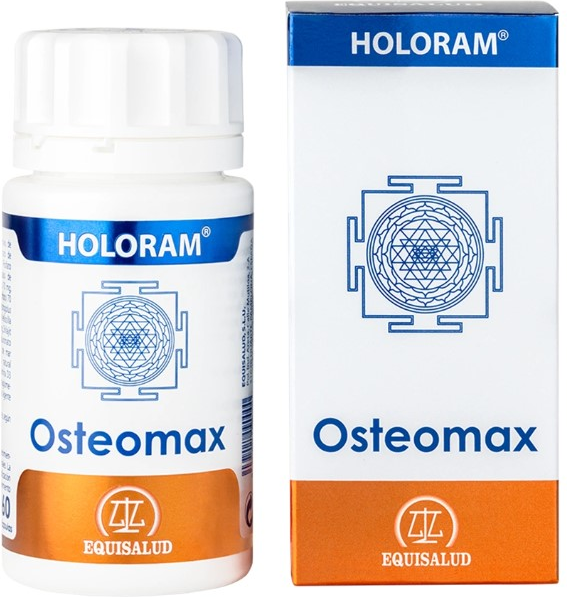
Equisalud Holoram Osteomax 60 CapsulesNutrition and Supplements Collagens and Cartilage Equisalud Holoram Osteomax 60 Capsules A dietary supplement based on minerals, amino acids, plants, collagen, shilajit, sodium hyaluronate, and vitamins to support the skeletal system. Calcium and vitamin D3 contribute to maintaining normal bones. Directions for use: Take 2 capsules daily.36,91 £*Shipping: 3,99 £Secure redirect to the provider
-
Do all cells have mitochondria?
No, not all cells have mitochondria. Mitochondria are organelles found in eukaryotic cells, which are cells that have a true nucleus and membrane-bound organelles. Prokaryotic cells, such as bacteria, do not have mitochondria. Additionally, some eukaryotic cells, like red blood cells, lose their mitochondria as they mature. **
-
Do animal cells have mitochondria?
Yes, animal cells do have mitochondria. Mitochondria are known as the powerhouse of the cell because they are responsible for producing energy in the form of ATP through a process called cellular respiration. This organelle is found in most eukaryotic cells, including animal cells, and plays a crucial role in metabolism and energy production. **
-
What are mitochondria and chloroplasts?
Mitochondria are membrane-bound organelles found in the cells of eukaryotic organisms, responsible for producing energy in the form of ATP through cellular respiration. They have their own DNA and are thought to have originated from ancient bacteria through endosymbiosis. Chloroplasts are also membrane-bound organelles found in plant cells and some protists, responsible for photosynthesis, the process by which they convert sunlight into energy-rich molecules like glucose. Like mitochondria, chloroplasts also have their own DNA and are believed to have originated from ancient photosynthetic bacteria through endosymbiosis. **
-
What are mitochondria and myoglobin?
Mitochondria are membrane-bound organelles found in the cytoplasm of eukaryotic cells. They are often referred to as the powerhouse of the cell because they are responsible for producing the majority of the cell's energy in the form of adenosine triphosphate (ATP) through the process of cellular respiration. Myoglobin, on the other hand, is a protein found in muscle cells that is responsible for binding and storing oxygen. It plays a crucial role in providing oxygen to the muscles during periods of high activity or low oxygen availability, such as during exercise. Myoglobin gives muscles their red color and helps facilitate the efficient use of oxygen by the muscle cells. **
* All prices are inclusive of VAT and, if applicable, plus shipping costs. The offer information is based on the details provided by the respective shop and is updated through automated processes. Real-time updates do not occur, so deviations can occur in individual cases. ** Note: Parts of this content were created by AI.